Five months after I started offering vinyl wrap installation in Canada,
I finally began landing one commercial door wrap project every month.
The turning point came when I secured a contract tied to a U.S.-based kids coding franchise
that was opening 15 locations across Greater Vancouver.
(The brand operates 260+ locations in the U.S.)

Why They Chose Vinyl Wrap
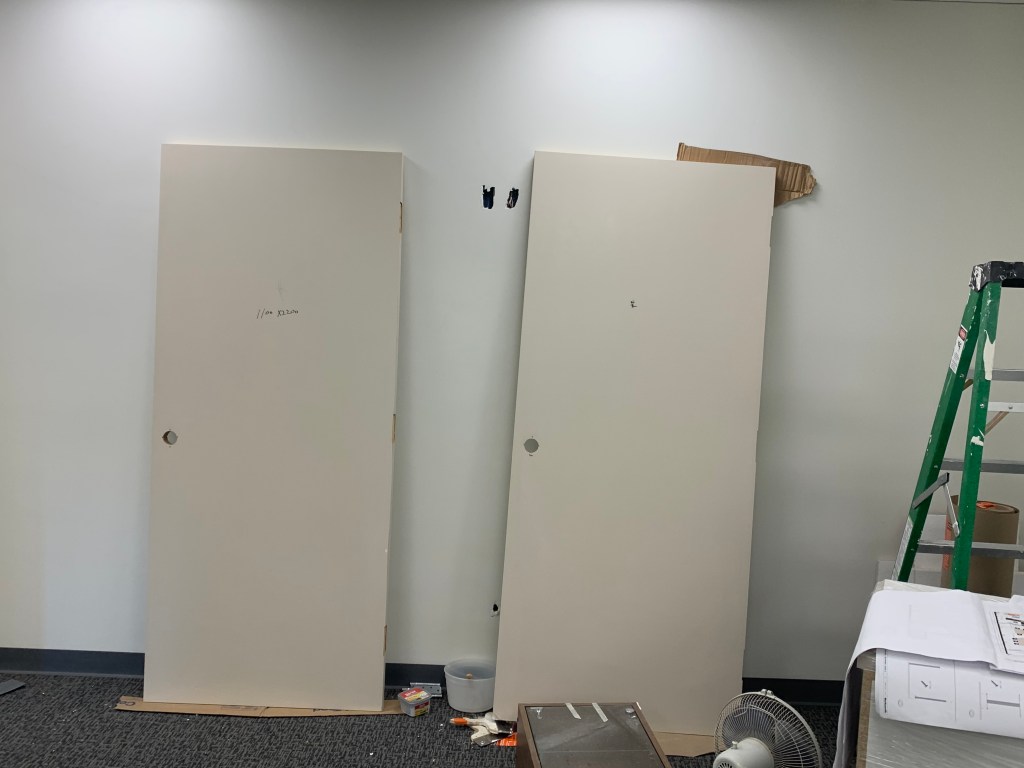
They purchased inexpensive white doors from stores like Home Depot,
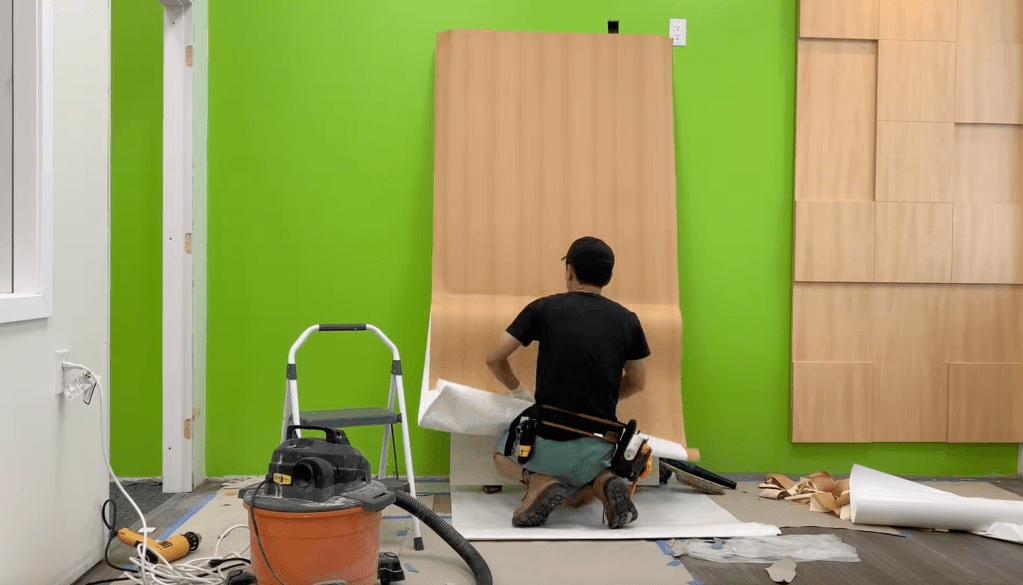
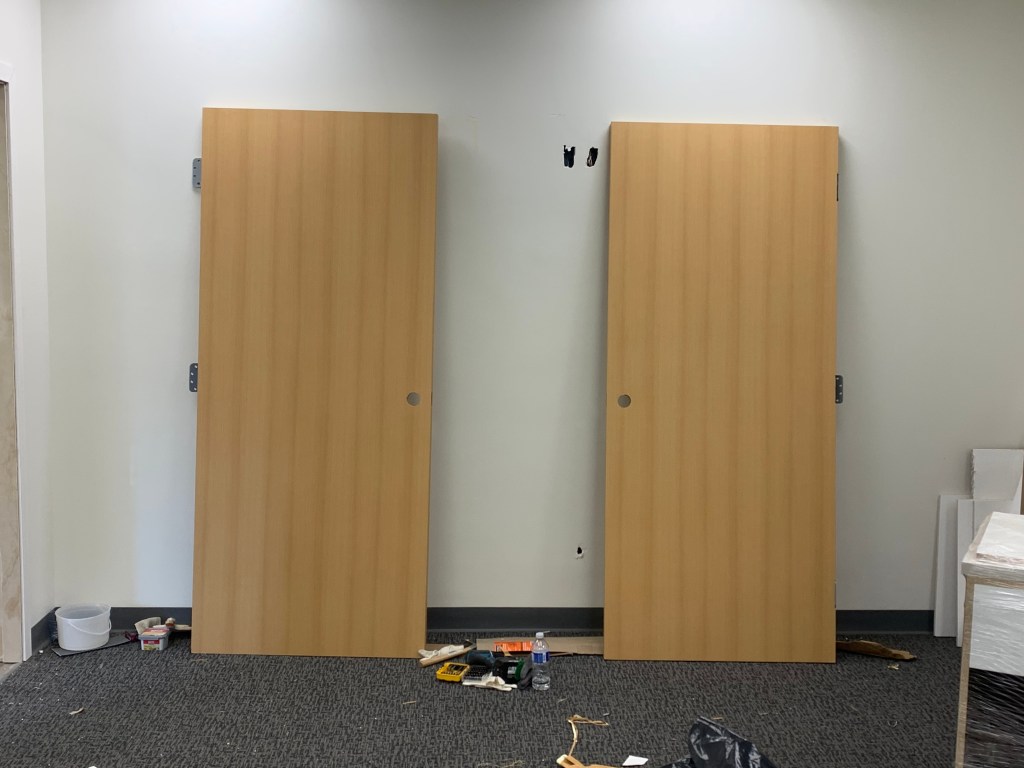
then had me wrap them with LX architectural film
(formerly LG Hausys / now LX Hausys).
This gave them:
- a custom, high-end finish
- brand-level consistency
- major cost savings
For me, this was my first deal with them.
So I made a decision early on:
Profit second. Trust first.
That decision changed everything

How My Commercial Door Wrap Pricing Evolved
Here’s how my commercial door wrap pricing changed step by step.
First Projects
- Hourly rate: $30/hour
- About $240/day
- Vinyl wrap film cost billed separately
Was it cheap?
Yes.
But this wasn’t about money yet.
In North America, hourly subcontracting is rare —
and that’s exactly why I chose it.

Why I Started Hourly on Purpose
1. Labor-law reality
Labor gets paid first.
Being paid hourly helped confirm this was a legitimate contractor relationship.
2. Risk reversal for the contractor
To them, I was an unknown vinyl wrap installer.
If commercial door wrap is done badly, it becomes a disaster.
Hourly pricing lowered their risk.
They could test my work
without committing to a full project rate.
Third Project and Onward
- $300 per door
- Film cost included ($105 per door)
By then, they had already verified:
- my finish quality
- my speed
- that architectural film / vinyl wrap actually worked for their locations
Final Project in Canada
- $499 per door
- Film cost included ($105)
This was my peak price.
The Numbers (No Fluff)
Here’s the real breakdown.
Final project pricing per door
- Charged: $499
- Film cost: $105
- Net profit per door: $394
Time required per door
About 1 hour
(including film cutting and surface prep)
Daily output as a solo installer
7–10 doors per day, depending on site conditions
I typically worked 10-hour days.
Result
10 doors × $394 = $3,940 net profit per day
No employees.
No office.
No ads.
Just skill, speed, and positioning.
Material Reality (North America Standard)
Standard interior door size:
- 32” × 80”
- 81 cm × 203 cm
Vinyl wrap film required per door (double-sided):
- about 4.1 meters / 161 inches
Interior wood-grain architectural film roll price:
- about $1,200–$1,500 per roll
One roll covers:
- about 12 doors (double-sided)
Primer cost:
- almost zero
- around $15 for 3kg, which can last nearly a year
One Critical Rule: Don’t Hang Your Own Doors
If you work solo,
never remove and reinstall doors yourself.
Why?
- it requires extra labor
- it slows you down
- it destroys your margins
Instead, let the renovation contractor handle it.
Most are happy to do that
because they want speed and clean results.
Yes, some doors can be wrapped without removal.
But the best finish — and the fastest workflow —
comes from wrapping doors off-hinge.
That’s the professional method.
The Key Insight
At the beginning, I thought:
vinyl wrap = kitchen cabinets
That assumption was wrong.
Kitchen cabinet wrap is slow.
Commercial door wrap scales.
Same material.
Same installer.
Same day.
But a completely different level of profit.
Leave a comment